
Description
What is P-Nolol 20 mg?
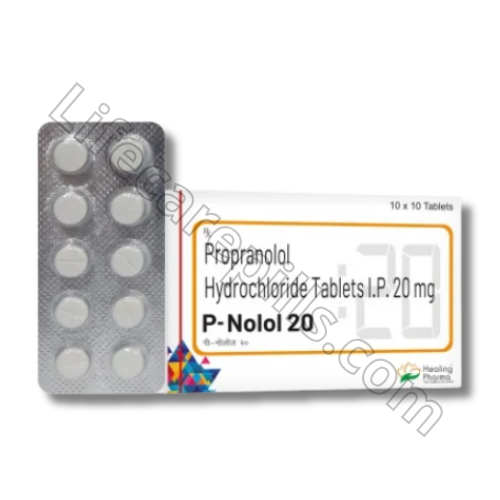
P-Nolol 20 mg is a beta-blocker containing Propranolol Hydrochloride. It is commonly prescribed for the management of conditions such as high blood pressure, chest pain caused by angina, and certain heart-related concerns. It may also be used as a preventive treatment to help reduce the frequency of migraine attacks.
Manufactured by Healing Pharma, India, P-Nolol 20 mg works by blocking specific beta receptors that influence heart rate and blood vessel activity. As a result, it can help slow the heart rate, reduce the workload on the heart, and support better control of blood pressure.
By helping regulate cardiovascular activity, this medicine may reduce episodes of angina and support migraine prevention. It should be used only according to a healthcare professional’s instructions.
P-Nolol 20 mg Uses
P-Nolol 20 mg Tablet may be prescribed for the treatment or management of:
- Chest pain associated with angina
- High blood pressure
- Certain irregular heart rhythms
- Prevention of migraine attacks
Note: P-Nolol 20 mg is generally used as a preventive medicine and is not intended to provide immediate relief during an active angina or migraine attack.
How to Take P-Nolol 20 mg
Take P-Nolol 20 mg exactly as prescribed by your healthcare provider.
- Swallow the tablet whole with a glass of water.
- It may be taken with or without food, depending on medical advice.
- Try to take it at the same time each day to maintain a consistent routine.
- Do not crush, chew, or break the tablet unless instructed by your doctor.
- Do not take more than the prescribed amount.
Dosage Tip
Regular use as directed may help maintain stable blood pressure and support the preventive management of migraine attacks. The appropriate dose and treatment duration can vary from person to person.
Benefits of P-Nolol 20 mg
P-Nolol 20 mg may provide several therapeutic benefits, including:
- Helps reduce the frequency of migraine attacks
- Supports the management of high blood pressure
- May help control heart rate in certain conditions
- Helps reduce the workload on the heart
- Assists in managing symptoms associated with angina
- Supports long-term cardiovascular care when appropriately prescribed
- May improve day-to-day comfort by helping control underlying symptoms
Dosage
The dosage of P-Nolol 20 mg should be determined by a qualified healthcare professional. Your treatment plan may depend on factors such as age, medical condition, symptom severity, other medicines, and response to treatment.
Some patients may be advised to take the medicine once daily, while others may require a different schedule. Follow the prescribed plan carefully and attend any recommended monitoring appointments.
Do not change, increase, or stop the dose without medical advice.
Missed Dose
If you miss a dose, take it when you remember unless it is nearly time for your next scheduled dose. In that case, skip the missed dose and continue with your regular schedule.
Do not take two doses together to compensate for a missed dose.
Overdose
Taking more P-Nolol 20 mg than prescribed may cause serious symptoms, including:
- Very slow heart rate
- Severe dizziness
- Fainting
- Low blood pressure
- Breathing difficulties
Seek urgent medical assistance if an overdose is suspected.
Strengths and Alternatives
Other available strengths may include:
Do not switch strengths without consulting a healthcare professional.
Side Effects
Like other beta-blockers, P-Nolol 20 mg may cause side effects in some individuals. Common effects may include:
- Tiredness or fatigue
- Dizziness
- Slow heart rate
- Cold hands or feet
- Stomach discomfort
- Sleep-related changes
These effects may improve as the body adjusts to the medicine. However, persistent or worsening symptoms should be discussed with a healthcare professional.
Precautions and Warnings
Before starting P-Nolol 20 mg, consider the following precautions:
- Use the medicine only under appropriate medical guidance.
- Inform your healthcare provider about any allergies.
- Discuss your complete medical history and all medicines you currently use.
- Tell your doctor if you have asthma, other breathing problems, diabetes, liver disease, kidney problems, or certain heart conditions.
- People with diabetes should monitor blood glucose as advised, since beta-blockers can affect or mask some symptoms associated with low blood sugar.
- Avoid driving or operating machinery if the medicine causes dizziness or lightheadedness.
- Consult your healthcare provider if you are pregnant, planning pregnancy, or breastfeeding.
- Alcohol may increase dizziness or contribute to lower blood pressure in some people.
- Do not stop P-Nolol 20 mg suddenly unless specifically instructed by your doctor. Abrupt discontinuation may worsen certain cardiovascular symptoms.
Frequently Asked Questions
How does P-Nolol 20 mg work?
P-Nolol 20 mg contains Propranolol Hydrochloride, a beta-blocker. It works by reducing the effects of certain stress hormones on beta receptors in the heart and blood vessels. This can help slow the heart rate, reduce cardiac workload, and support blood pressure control. It may also help prevent migraine attacks in appropriately selected patients.
Can I stop taking P-Nolol 20 mg suddenly?
No. Stopping a beta-blocker abruptly may worsen certain symptoms or cause cardiovascular complications. Speak with your healthcare provider before discontinuing treatment.
Is P-Nolol 20 mg safe for people with asthma?
Propranolol may worsen breathing difficulties in some people with asthma or other respiratory conditions. Inform your doctor about any breathing problems before starting treatment.
Does P-Nolol 20 mg affect blood sugar levels?
Beta-blockers can affect blood sugar control and may mask some warning signs of low blood sugar. People with diabetes should follow their healthcare provider’s monitoring recommendations.
Where can I buy P-Nolol 20 mg online?
Purchase prescription medicines only from appropriately licensed and verified pharmacies and use them according to a valid prescription where required.
Conclusion
P-Nolol 20 mg contains Propranolol Hydrochloride, a widely used beta-blocker that may help manage conditions such as high blood pressure and angina while also serving as a preventive option for migraine attacks. By helping regulate heart rate and reducing strain on the cardiovascular system, it can support ongoing treatment when used appropriately.
For safe and effective use, follow the prescribed dosage, avoid sudden discontinuation, and keep your healthcare provider informed about other medicines and medical conditions.


