Description
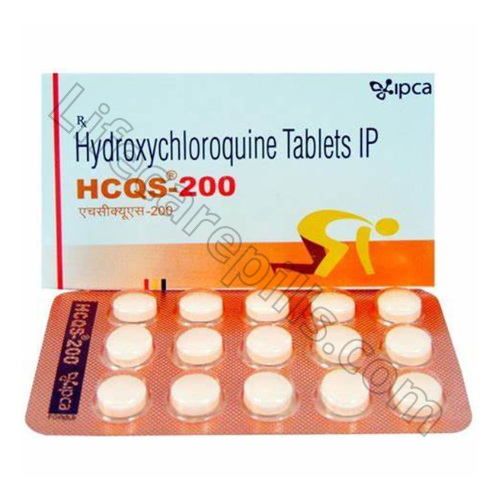
About HCQS-200 Tablet
HCQS-200 Tablet contains hydroxychloroquine sulfate, a medicine used in the management of certain autoimmune and inflammatory conditions. It may be prescribed for conditions such as rheumatoid arthritis and systemic lupus erythematosus (SLE). It is also used in the prevention and treatment of certain forms of malaria where hydroxychloroquine is considered appropriate.
Hydroxychloroquine belongs to a group of medicines with both antimalarial and disease-modifying antirheumatic properties. In autoimmune conditions, it helps regulate an overactive immune response, which may reduce inflammation, joint discomfort and certain skin symptoms. In malaria, it acts against susceptible malaria parasites.
Take HCQS-200 Tablet exactly as prescribed by your doctor. It is generally taken with food or milk to help reduce stomach discomfort. For autoimmune conditions, improvement may take several weeks or longer.
Long-term treatment may require regular monitoring, including eye examinations, as hydroxychloroquine can rarely cause retinal problems. Inform your doctor if you have existing eye conditions, liver or kidney problems, heart conditions, psoriasis, or other significant medical concerns. Report any changes in vision promptly.
Uses of HCQS-200 Tablet
HCQS-200 Tablet may be prescribed for autoimmune conditions and certain types of malaria.
Common uses include:
- Rheumatoid arthritis: May help reduce inflammation, joint pain and swelling.
- Systemic lupus erythematosus: May help manage symptoms associated with lupus.
- Skin and joint symptoms: Can help control certain symptoms related to autoimmune disorders.
- Malaria: May be used for the prevention or treatment of specific malaria infections where appropriate.
The suitability of hydroxychloroquine depends on the individual condition and medical history.
Directions for Use of HCQS-200 Tablet
- Take the tablet exactly as prescribed by your doctor.
- Swallow it with water.
- Do not crush, break or chew the tablet unless specifically advised by a healthcare professional.
- Taking the medicine with food or milk may help reduce stomach upset.
- Try to take your doses at the same time each day where practical.
- Continue treatment for as long as prescribed.
- Do not stop taking the medicine without discussing it with your doctor.
If you experience troublesome or severe side effects, seek medical advice.
Route of Administration
- HCQS-200 Tablet is taken orally.
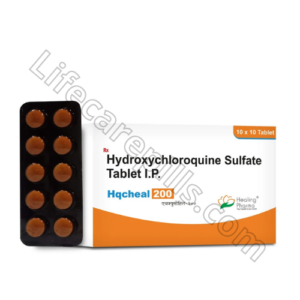
- Hqcheal 200 Tablet 10
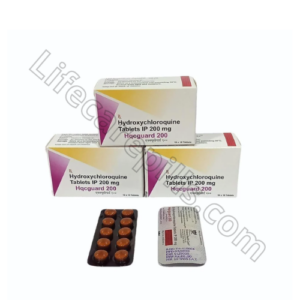
- HQCGUARD 200mg Tablet
Side Effects of HCQS-200 Tablet
Like all medicines, HCQS-200 Tablet can cause side effects, although not everyone experiences them.
Possible side effects may include:
- Blurred or altered vision
- Stomach or abdominal pain
- Nausea
- Vomiting
- Diarrhoea
- Reduced appetite
- Headache
- Dizziness
- Weakness
Other side effects may occur. Speak with a doctor or pharmacist if any symptoms persist, worsen or cause concern.
Managing Common Side Effects
Some mild side effects may improve as your body adjusts to treatment. Simple measures that may help include:
- Taking the tablet with food if advised.
- Drinking sufficient fluids if you experience diarrhoea.
- Eating smaller meals if nausea or reduced appetite occurs.
- Resting if you feel dizzy or unwell.
Do not attempt to manage serious symptoms yourself. Any sudden or significant visual changes, severe weakness, fainting, palpitations or other concerning symptoms should be assessed promptly by a healthcare professional.
How Does HCQS-200 Tablet Work?
The active ingredient in HCQS-200 Tablet is hydroxychloroquine sulfate.
In autoimmune conditions, hydroxychloroquine helps modify certain immune system processes involved in inflammation. This can reduce the production and activity of substances that contribute to inflammatory symptoms.
As a result, it may help:
- Reduce inflammation.
- Improve joint-related symptoms.
- Support the management of certain lupus symptoms.
- Reduce the frequency or severity of disease activity in appropriate patients.
In malaria, hydroxychloroquine acts against susceptible parasites by interfering with processes essential to their survival inside red blood cells.
Safety Measures and Warnings
Pregnancy
If you are pregnant, think you may be pregnant or are planning to become pregnant, speak with your doctor before taking HCQS-200 Tablet. Your healthcare professional will consider your condition and the potential benefits and risks of treatment.
Breastfeeding
Hydroxychloroquine may pass into breast milk. If you are breastfeeding, discuss treatment with your doctor so that an appropriate decision can be made based on your individual circumstances.
Alcohol
Ask your doctor or pharmacist about alcohol consumption while taking this medicine. Excessive alcohol use may also be a concern for people with liver problems or those taking other medicines.
Liver Problems
Tell your doctor if you have liver disease or impaired liver function. Additional monitoring or adjustments may be required depending on your circumstances.
Kidney Problems
If you have kidney impairment, inform your doctor before starting treatment. Your dose and monitoring requirements may need to be reviewed.
Driving and Using Machinery
HCQS-200 Tablet may cause dizziness or visual disturbances in some people. If your vision is affected or you feel dizzy, do not drive, cycle or operate machinery until you feel well and able to do so safely.
Allergies
Do not take this medicine if you are allergic to hydroxychloroquine or any of its ingredients. Inform your healthcare professional about any previous medicine allergies.
Children
The suitability and dose of hydroxychloroquine in children depend on the condition being treated, the child’s body weight and the formulation used. Always follow specialist medical advice.
Older Adults
Older adults may require careful monitoring, particularly if they have reduced kidney, liver or heart function or are taking multiple medicines.
Interactions of HCQS-200 Tablet
HCQS-200 Tablet can interact with other medicines. Always tell your doctor or pharmacist about all medicines, supplements and herbal products you are taking.
Drug–Drug Interactions
Potential interactions may include:
- Antacids: Some antacid products can affect the absorption of hydroxychloroquine. Follow medical or pharmacy advice regarding spacing doses.
- Certain antibiotics: Some antibiotics may increase the risk of heart rhythm problems when used alongside hydroxychloroquine.
- Antiarrhythmic medicines: Medicines used for irregular heart rhythms may require careful assessment when combined with hydroxychloroquine.
- Other medicines affecting heart rhythm: Some medicines can increase the risk of QT prolongation or other rhythm disturbances.
Your doctor or pharmacist can check whether your current medicines are suitable to use alongside HCQS-200 Tablet.
Drug–Food Interactions
There are no universally applicable dietary restrictions for everyone taking hydroxychloroquine. However, you should follow any specific instructions provided by your doctor or pharmacist.
Taking the tablet with food or milk may help reduce stomach upset.
Drug–Disease Interactions
Extra caution may be necessary if you have:
- Liver disease
- Kidney impairment
- Existing retinal or eye disease
- Heart rhythm problems
- Certain blood disorders
- Psoriasis or other skin conditions
- A history of seizures
Tell your doctor about your complete medical history before starting treatment.
Dosage of HCQS-200 Tablet
Daily Dose
The dose and treatment schedule should be determined by your doctor. The appropriate amount can vary according to the condition being treated, your body weight, other health conditions and your response to therapy.
Never change your dose without medical advice.
If You Take Too Much
Taking more HCQS-200 Tablet than prescribed can be dangerous. If you or someone else has taken an excessive amount, seek urgent medical advice or contact an appropriate emergency medical service or poison information service.
Missed Dose
If you forget to take a dose, take it when you remember unless it is nearly time for your next dose. If it is almost time for the next dose, skip the missed dose and continue with your normal schedule.
Do not take a double dose to make up for a forgotten tablet unless specifically instructed by your healthcare professional.
Storage
- Store HCQS-200 Tablet according to the instructions on the original packaging.
- Keep it in a dry place and protect it from excessive heat and direct sunlight.
- Keep all medicines out of the sight and reach of children.
- Do not use the medicine after the expiry date shown on the packaging.
- Dispose of unwanted or expired medicines according to pharmacy or local guidance.
Special Dietary and Lifestyle Recommendations
Alongside prescribed treatment, general healthy lifestyle habits may support overall wellbeing.
- Eat a balanced diet containing vegetables, fruit, whole grains and suitable sources of protein.
- Stay physically active within your ability and according to medical advice.
- Avoid smoking.
- Limit alcohol where appropriate.
- Use stress-management techniques such as relaxation exercises or meditation.
- Aim for regular, adequate sleep.
- Attend all recommended medical and eye-monitoring appointments.
Quick Tips
- Take HCQS-200 Tablet exactly as prescribed.
- Swallow the tablet whole unless a healthcare professional advises otherwise.
- Taking it with food or milk may help minimise stomach discomfort.
- Try to take it at a consistent time each day.
- Report any changes in vision promptly.
- Do not stop long-term treatment without speaking to your doctor.