Description
About Tretiheal 0.05% Cream
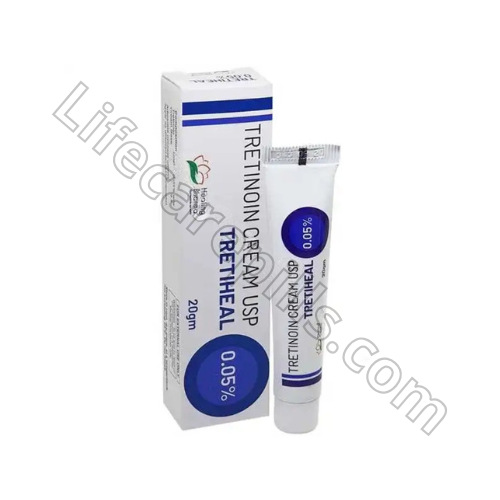
Tretiheal 0.05% Cream 20 Gm is a topical medicine primarily used to manage acne vulgaris, a common skin condition that develops when pores become blocked with oil and dead skin cells. It contains tretinoin 0.05%, a topical retinoid that promotes normal skin-cell turnover and helps keep follicles from becoming congested.
With consistent use, tretinoin can help reduce existing acne lesions while limiting the formation of new blackheads and whiteheads. It may also contribute to a smoother and more even skin texture as the epidermis continually renews itself.
Before starting treatment, discuss your current health status, skin conditions, allergies, pregnancy status, and any medicines or skincare products you use with your doctor. If irritation or other unexpected reactions develop, seek professional advice. Regular application for the full recommended treatment period is important because acne improvement is gradual rather than instantaneous.
Uses of Tretiheal 0.05% Cream
Tretiheal 0.05% Cream 20 Gm may be used for:
- Management of Acne Vulgaris
- Helping clear existing acne lesions
- Reducing the formation of new breakouts
- Promoting normal skin-cell turnover
- Keeping pores clearer and reducing comedones
- Supporting a broader acne-management routine when prescribed
Strengths and Substitutes
Other strengths may include:
Directions for Use of Tretiheal 0.05% Cream
Follow these instructions when applying Tretiheal 0.05% Cream:
- Clean the affected area gently and allow the skin to dry completely.
- Apply a thin layer to the affected skin, generally once daily at bedtime unless your doctor advises otherwise.
- Avoid contact with the eyes, lips, nostrils, and other sensitive mucosal areas.
- Wash your hands before and after application.
- Do not apply the cream to severely irritated, broken, or sunburned skin.
- Use only the amount recommended by your healthcare professional.
- Early in treatment, acne may temporarily appear more noticeable as underlying lesions come to the surface.
- Visible improvement may require several weeks of consistent treatment.
Route of Administration
Tretiheal 0.05% Cream 20 Gm is administered topically and should be applied directly to the affected skin.
Side Effects of Tretiheal 0.05% Cream
Tretiheal 0.05% Cream may cause local skin reactions, particularly during the first few weeks of use.
Common effects may include:
- Burning or stinging sensation
- Itching
- Skin irritation
- Dryness
- Redness
- Peeling or scalingIncreased sensitivity to sunlight
These reactions may lessen as the skin adapts to tretinoin. However, severe irritation, swelling, blistering, or persistent discomfort should be reported to your doctor.
Management of Side Effects
Most mild reactions can often be managed with gentle skincare.
Burning Sensation: Apply a thin layer at night as directed and avoid combining tretinoin with multiple irritating products unless recommended by your doctor.
Skin Irritation: Use a gentle cleanser and a non-comedogenic moisturiser to help support the skin barrier. Avoid vigorous scrubbing or excessive exfoliation.
How Tretiheal 0.05% Cream Works
Tretiheal 0.05% Cream contains tretinoin 0.05%, a retinoid that influences the way skin cells grow, mature, and shed.
Promotes Skin-Cell Turnover
Tretinoin encourages faster replacement of older epidermal cells with newer ones. This helps prevent the accumulation of dead cells that can contribute to clogged pores.
Helps Unclog Pores
By normalizing follicular keratinization, tretinoin helps reduce the formation of comedones. In simpler terms, it helps keep pores from becoming blocked by a mixture of oil and dead skin cells.
Supports Acne Control
Improved cell turnover and clearer follicles can help reduce existing acne and make the skin less prone to developing new lesions over time.
At the cellular level, tretinoin acts through retinoic acid receptors, influencing gene expression involved in skin-cell growth and differentiation.
Safety Measures & Warnings
Pregnancy
Tretiheal 0.05% Cream is generally avoided during pregnancy. Tell your doctor if you are pregnant, planning to become pregnant, or think you may be pregnant before using tretinoin.
Breastfeeding
If you are breastfeeding, discuss the use of topical tretinoin with your doctor. Avoid applying the cream to areas that may come into direct contact with the infant.
Alcohol
A direct interaction between alcohol and topical tretinoin is unlikely. However, alcohol may sometimes worsen skin dryness or irritation in susceptible individuals.
Liver
Because Tretiheal is applied to the skin and systemic absorption is limited, significant liver-related interactions are uncommon. Nevertheless, inform your doctor about serious liver conditions.
Kidney
Clinically important kidney interactions are unlikely with topical tretinoin. Tell your healthcare professional if you have significant kidney disease.
Driving and Operating Machinery
Tretiheal 0.05% Cream does not generally affect concentration, alertness, driving ability, or machinery operation.
Allergy
Do not use the cream if you have a known allergy to tretinoin or any component of the formulation. Tell your doctor about previous allergic reactions to topical medicines.
Children
Use in children should be based on medical advice and the specific condition being treated. Do not apply Tretiheal 0.05% Cream to a child without professional guidance.
Older Patients
Older adults may have thinner or more sensitive skin and could experience greater irritation. Use the cream under medical guidance, particularly when other topical treatments are being used.
Interactions of Tretiheal 0.05% Cream
Drug-Drug and Topical Product Interactions
Some skincare products can increase irritation when combined with tretinoin.
- Sulfur-containing Products: May increase dryness and irritation when used alongside tretinoin.
- Resorcinol: Can contribute to excessive irritation if combined with a topical retinoid.
- Salicylic Acid: Strong exfoliating products may intensify dryness, peeling, and sensitivity.
- Photosensitising Medicines: Certain medicines, including tetracyclines, thiazides, and phenothiazines, may increase sensitivity to sunlight, making diligent sun protection particularly important.
- Other Irritating Topicals: Avoid combining multiple strong acne treatments unless advised by your healthcare professional.
Tell your doctor or pharmacist about prescription medicines, acne products, exfoliants, and cosmetic treatments you use.
Drug-Disease Interactions
Eczema: Tretinoin may worsen irritation on eczematous skin. Avoid affected areas unless your doctor specifically recommends otherwise.
Sunburn: Do not apply Tretiheal to sunburned or severely damaged skin because it may intensify irritation.
Dosage of Tretiheal 0.05% Cream
Daily Dose
Apply a thin layer of Tretiheal 0.05% Cream according to your doctor’s instructions. The frequency and amount may depend on your skin’s condition and tolerance.
Do not assume that applying more cream will speed up acne clearance. Excessive use usually increases irritation rather than improving results.
Overdose
Applying too much may cause marked redness, dryness, burning, peeling, and irritation. If excessive cream is accidentally applied, gently remove the excess and rinse the area if necessary. Contact your doctor if significant symptoms continue.
Missed Dose
If you forget a scheduled application, apply the cream when you remember unless the next application is due soon. If it is almost time for the next dose, skip the missed application and resume your usual routine.
Do not apply extra cream to compensate for a missed dose.
Storage
- Store Tretiheal 0.05% Cream in a cool, dry place below 30°C.
- Protect the tube from direct sunlight and excessive heat.
- Keep the container tightly closed when not in use.
- Store it safely away from children.
- Do not use the cream beyond its expiry date.
Special Dietary and Lifestyle Recommendations
A balanced diet containing vegetables, fruits, whole grains, lean proteins, and other nutrient-rich foods can support general skin health. Avoid extreme dietary restrictions and pay attention to foods that appear to trigger breakouts.
Good skincare habits matter too. Cleanse the face gently and avoid abrasive scrubs, excessive washing, or harsh exfoliation, which can aggravate irritation.
Because tretinoin can increase photosensitivity, use a broad-spectrum sunscreen during the day and consider protective clothing when outdoors. Prolonged sun exposure can worsen irritation and undermine progress.
Fact Box
| Category | Details |
| Dosage Form | Cream |
| Active Ingredient | Tretinoin 0.05% |
| Habit Forming | No |
| Ailment | Acne Vulgaris |
| Drug Category | Topical Retinoid |
| Therapeutic Category | Anti-Acne |
Frequently Asked Questions
What is Tretiheal 0.05% Cream 20 Gm used for?
It is primarily used to manage acne vulgaris. It helps unclog pores, reduce existing lesions, and limit the formation of new acne.
How does Tretiheal 0.05% Cream work?
Tretinoin increases skin-cell turnover and normalizes follicular keratinization, helping prevent pores from becoming blocked.
How should I apply Tretiheal 0.05% Cream?
Apply a thin layer to clean, dry skin, usually once daily at night or as directed by your doctor. Avoid the eyes, lips, and open wounds.
Can Tretiheal 0.05% Cream treat viral skin infections?
No. Tretinoin is not an antiviral medicine and should not be used to treat viral skin infections.
What side effects can occur?
Common effects include dryness, redness, peeling, mild burning, itching, and skin irritation. Consult your doctor if symptoms are severe or persistent.
Can I use Tretiheal 0.05% Cream during pregnancy or breastfeeding?
Tretinoin is generally avoided during pregnancy. If you are pregnant, planning pregnancy, or breastfeeding, consult your healthcare professional before use.
What should I do if I accidentally swallow Tretiheal 0.05% Cream?
Rinse your mouth thoroughly and seek medical advice promptly. Do not induce vomiting unless directed by a healthcare professional.